
In case you did not know, The Aztecs were the Native American people who dominated northern Mexico at the time of the Spanish conquest in the early 16th century. There’s probably a lot that you don’t know about them, but today my aim is to change that…
Here are 34 Interesting Facts You Might Not Know about The Aztecs
The Aztec Empire existed in Mexico from 1428 AD to 1521 AD and was one of the last Native American civilizations before the Spanish conquest in the 16th Century. The empire grew out of the Triple Alliance, a political and military pact formed in 1428 between Tenochtitlan and the city-states of Texcoco and Tlacopan.
2. The term “Aztec” refers to the “people of Aztlán,” the ancestral home of the Aztecs. Today, the word Aztec is used to describe the people that lived in the Aztec Empire, a triple alliance of three city-states, who were predominantly Nahua people.
These people lived in the area of what we know today as Mexico, Nicaragua, El Salvador, and Honduras, and used the Nahuatl language. They called themselves the Mexica or the Tenochca.

3. The Aztecs had a deep and powerful relationship with chocolate, which they believed was a gift from the gods. However, they actually learned about cacao from the Maya, who had been farming cacao trees centuries earlier. The Aztec chocolate drink was very bitter because they didn’t have sugar, and they even made it with chili.
4. The Aztecs believed in more than 200 gods, but Huitzilopochtli, the god of war and the sun, and Tlaloc, the rain god, were the most important.
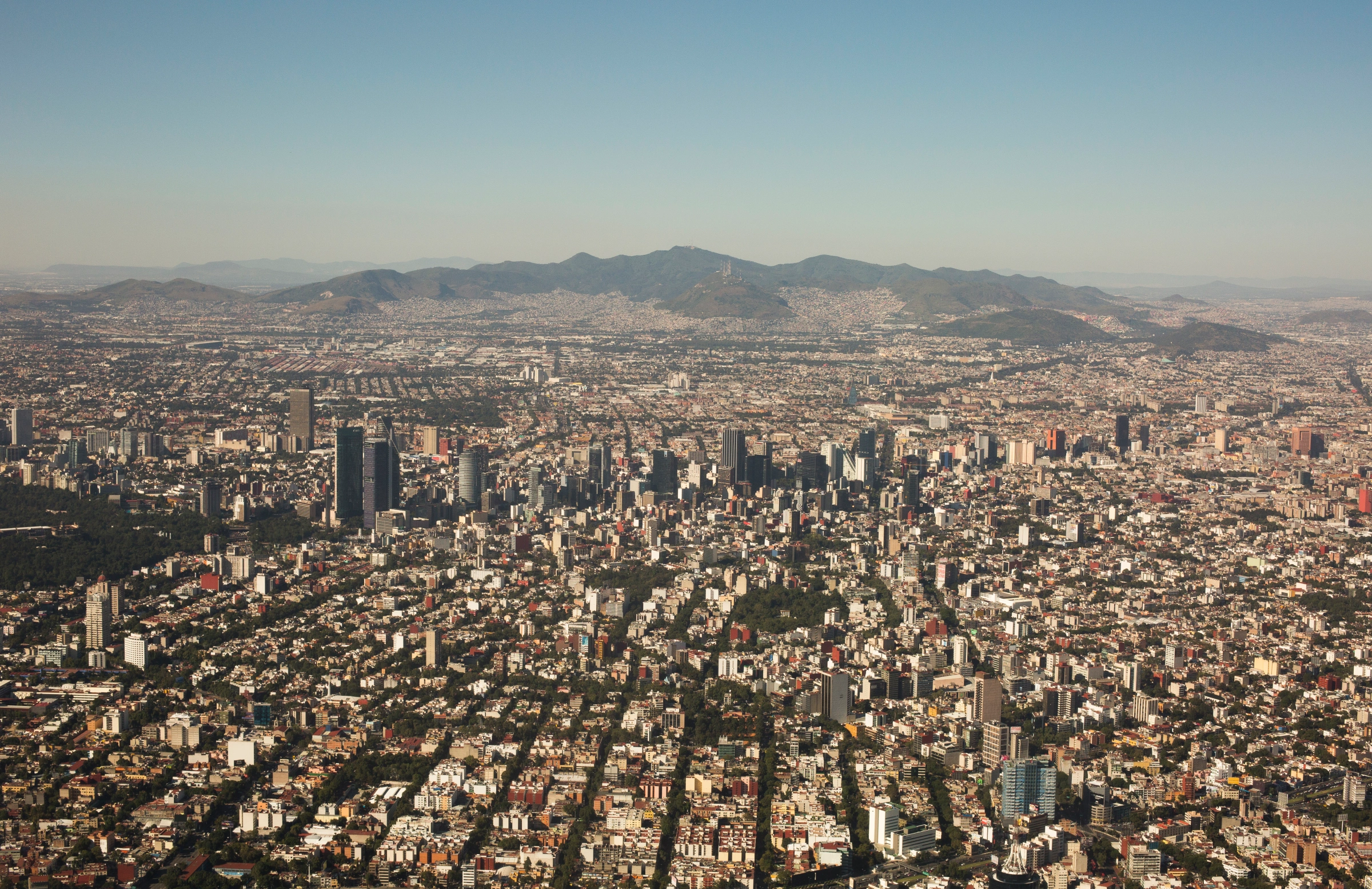
5. Mexico’s capital (Mexico City) was built on the ruins of Tenochtitlan, which was the largest city in the Americas before the Spanish conquest. By 1519, its population was estimated at around 150,000, making it larger than cities like Venice and London at the time. Comparisons to Paris and Constantinople are debated, with some sources suggesting Tenochtitlan was actually on par with or even larger than those cities.
6. The Aztecs were the first to celebrate the ‘Day of the Dead,’ which is now a Mexican tradition that celebrates the dead and is also known as Dia de los Muertos.
7. The Spanish brought a disease called smallpox when they invaded the Aztecs’ home. Since the Aztecs had never had smallpox before, many of them died, and it’s estimated that 20 million Aztecs died from the disease.
8. The Aztecs believed that their god, Huitzilopochtli, would tell them where to build their city when they saw an eagle perched on a cactus eating a snake. They saw this on an island in Lake Texcoco and decided to build their city, Tenochtitlan, there. The city was founded in 1325 AD.
9. The Aztecs’ diet consisted mainly of vegetables, such as corn, beans, squash, and tomatoes. They liked to use chili in their recipes and didn’t eat a lot of meat.
10. The Aztecs studied the sun, stars, and planets and created a very accurate 365-day calendar to help them know when to plant and pick their crops. They also had a 260-day religious calendar to celebrate festivals and perform rituals to the gods.
11. The Mexican flag features an eagle perched on a cactus with a snake in its mouth, which is an Aztec symbol relating to how they settled at Lake Texcoco. The name “Mexico” is also an Aztec word.
12. The Aztecs subjugated nearby city-states and demanded regular tribute rather than direct control, which led to great wealth for Tenochtitlan.
13. The Aztec religion practiced human sacrifice, with captives being sacrificed to please the gods, but the true extent of how much it occurred is unclear.
It is believed that they sacrificed around 20,000 individuals annually, and the number would increase to over four times that number when constructing a temple dedicated to the god Huitzilopochtli (the god of Sun and War).
Ritualistic practices included skinning, dismembering, and beheading, as well as removing the heart of a live person. It’s important to note that this is a point that historians, anthropologists, and sociologists still debate strongly.
14. The Aztecs did not have widespread access to bronze or iron and most of their weaponry was made of obsidian, a volcanic glass. Militarily, they were only as advanced as European peoples in the Neolithic period.
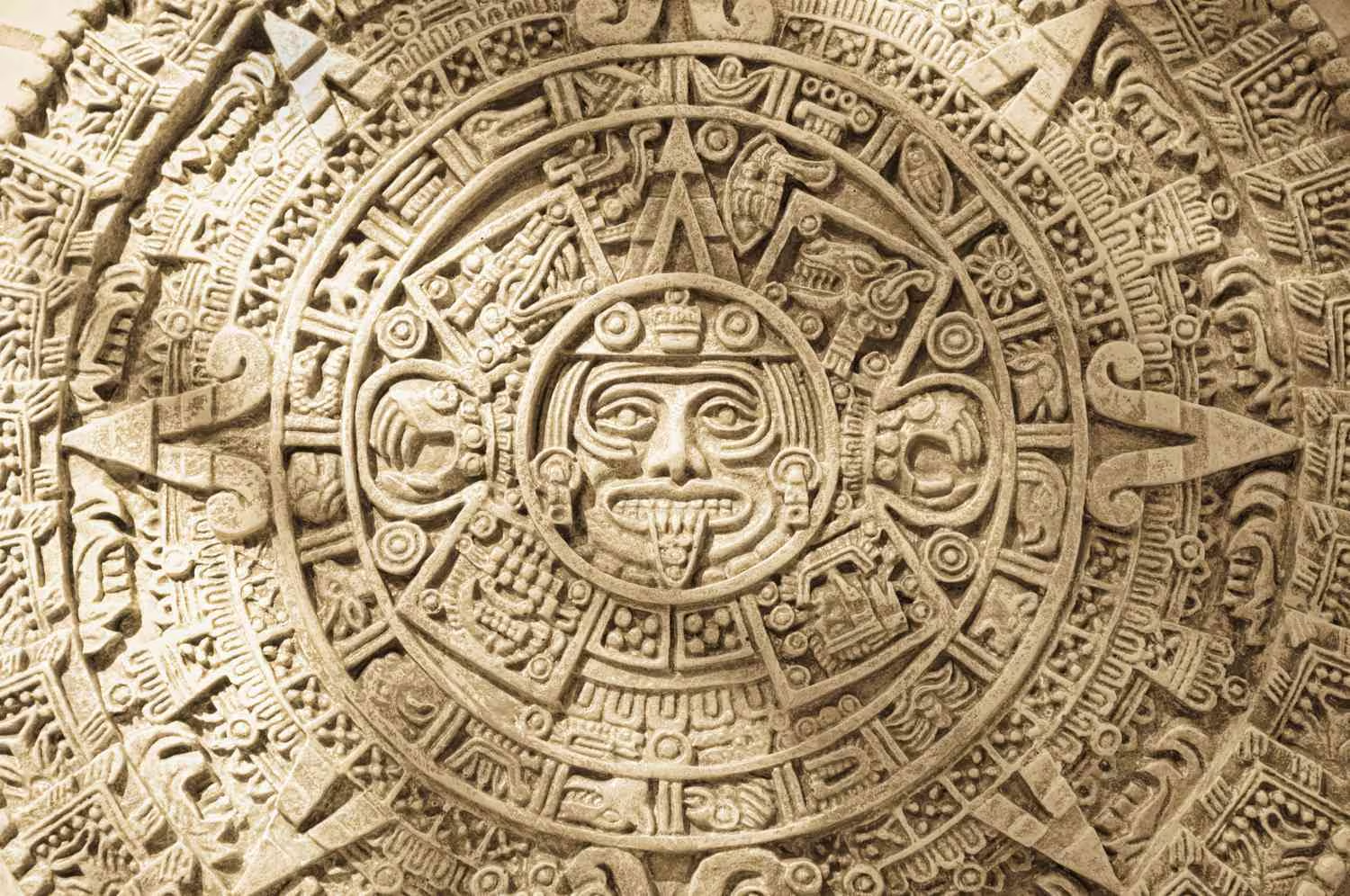
15. The Aztecs were advanced in architecture, art, and astronomy, despite primitive technologies. Their buildings featured intricate stonework, and the 24-ton Aztec Sun Stone is a remarkable example of their art.
16. The Aztecs developed complex irrigation systems called chinampas for large-scale cultivation. Soil from Lake Texcoco was piled up to create ridges between ditches, and small rectangular fields were formed, leading to a high population density.
17. Maize was the staple of the Aztec diet, and they even had a god for it, Centeotl, which translates to “Maize cob Lord.
18. Moctezuma was the ninth ruler of the Aztecs and served as their emperor during the arrival of the Spanish conquistadors led by Hernan Cortes in 1519. He governed from 1502 until his demise in 1520, during which time the Aztec Empire expanded to its greatest extent before falling under the yoke of colonialism.

19. At first, Cortes maintained a courteous relationship with the apprehensive Moctezuma, but he later took the emperor captive. After a clash resulting in Moctezuma’s death, the Conquistadors were expelled from Tenochtitlan. They regrouped with indigenous allies, such as Tlaxcala and Texcoco, and formed a formidable army that laid siege to Tenochtitlan and ultimately overthrew the Aztec empire in August 1521.
20. Unlike the Incas in Peru, the inhabitants of the region did not support the Aztecs and rebel against the Spanish conquerors, possibly indicating the empire’s unstable and divided foundation. Spanish control over Mexico ceased precisely 300 years later, in August 1821.
21. Unlike many ancient cultures in Latin America, the Aztecs kept written records using a complex system of pictographs inscribed on deer skin or tree bark by scholars and priests. They were a similar form of writing to the hieroglyphs used in Ancient Egypt.
22. The Aztecs had a unique form of slavery where slaves could earn money to buy their freedom, and slavery was used as currency. Slaves had some rights such as marrying, having children, earning money, and owning land.
23. The Aztecs valued education and had a caste system that divided schools by social class and gender. Noble children studied astronomy, philosophy, and history while lower caste children learned warfare and trades. Girls were taught home-care duties.
24. Polygamy was practiced by the Aztecs as a status symbol, allowing for increased workforce and income, but only the first marriage was publicly celebrated.
25. The Aztecs used cacao beans as a form of currency, with higher quality beans being more valuable. They also used a finely woven cotton cloth called Quachtli as another form of currency.
26. Chewing gum was popular among Mesoamericans, created by collecting resin from tree bark. Although it is debated whether it was the Mayans or Aztecs who invented chewing gum, the Aztecs deemed it socially unacceptable and inappropriate for adults, especially women, to chew gum in public.
27. The Aztecs used Cacao-based drinks for medicinal purposes to treat various ailments like digestive issues or fever.
28. Nahuatl words (like avocado and chocolate) entered Spanish/English. Modern Mexican identity celebrates Aztec heritage through art, festivals, and symbols.
29. The Aztecs played ōllamaliztli, a ball game where players used their hips, elbows, and knees to hit a rubber ball through a stone hoop. Some games had religious significance, and losing teams or captains were sometimes sacrificed.
30. Temples like the Templo Mayor were built on top of older versions, creating multiple layers. When the Spanish demolished Aztec structures, they found older temples buried beneath.
31. Moctezuma was a serious chocoholic. The Aztec ruler Montezuma was believed to drink fifty cups of chocolate every day.
32. Cacao was restricted to the elite. In Aztec communities, only special individuals, including rulers, priests, great warriors, leading merchants, and honored guests, were officially allowed access to the chocolate beverage.
The Aztecs valued cacao even above silver and gold and believed wisdom and power came from consuming it.
33. The Aztecs had specialist long-distance merchants called the Pochteca. The pochteca were professional, long-distance traveling merchants in the Aztec Empire who performed three primary duties: market management, international trade, and acting as market intermediaries domestically.
They also communicated vital information across the empire and beyond its borders, and were often employed as spies due to their extensive travel and knowledge.
34. Aztec education was compulsory. Aztec children of commoners went to school, which was compulsory, but only from their early teens. Before that, children were educated by their parents.
Both sexes would learn dancing, singing, public speaking, history, and take moral and religious lessons. This makes them one of the earliest civilisations to have a system of mandatory schooling.
Well, there you have it, 34 interesting facts you might not have known about The Aztecs. If I’ve left out something important, feel free to comment below.
Watch this space for updates in the Facts category on Running Wolf’s Rant.
Want to promote your business, event, product or service? We get more than 14,000 pageviews a month! Contact us for marketing and advertising options.