

Bulgaria is a land where ancient history meets breathtaking natural beauty. Nestled in the heart of the Balkan Peninsula, it serves as a cultural bridge between Europe and Asia, boasting a heritage that spans over six millennia.
From the sun-kissed beaches of the Black Sea to the rugged, snow-capped peaks of the Rila and Pirin mountains, Bulgaria offers a diverse landscape that is as rich as its storied past.
Whether you are drawn by the haunting melodies of its world-renowned folk music, the golden treasures of ancient civilizations, or the warm hospitality of its people, Bulgaria is a destination that constantly surprises and enchants.
There’s probably a lot that you don’t know about this country, but today my aim is to change that…
Here are 19 Interesting Facts You Might Not Know About Bulgaria
1. Established in 681 AD, Bulgaria is the only country in Europe that hasn’t changed its name since its founding. While borders have shifted over the centuries, the name “Bulgaria” has remained a constant for over 1,300 years.

2. Contrary to popular belief, the Cyrillic alphabet – used today by over 250 million people – was actually developed in the First Bulgarian Empire during the 9th century. It became the third official alphabet of the European Union when Bulgaria joined in 2007.
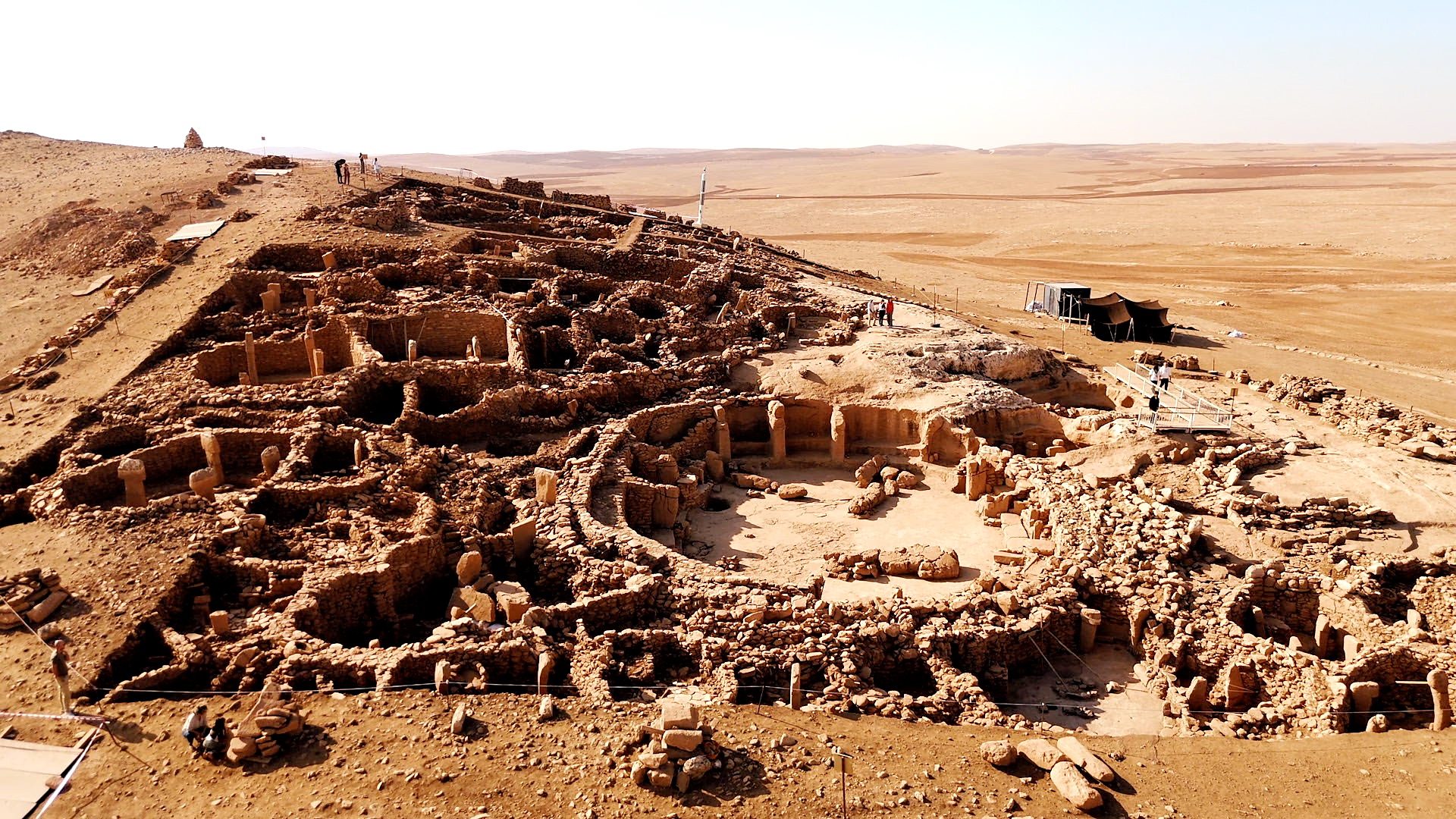
3. The Varna Necropolis, discovered in 1972, contains the oldest processed gold in the world. These artifacts date back to 4,600 – 4,200 BC, making them over 6,000 years old—predating the pyramids of Egypt.
4. If you ask a Bulgarian a question, be careful with the body language! In Bulgaria, nodding your head up and down means “No,” while shaking your head from side to side means “Yes.”
5. Bulgaria’s “Rose Valley” produces about 70% to 85% of the world’s rose oil, a vital ingredient in most luxury perfumes. It takes approximately 3,500 kilograms of rose petals to produce just one kilogram of rose oil.
6. The father of the first electronic digital computer was John Atanasoff, an American physicist of Bulgarian descent. Along with Clifford Berry, he invented the Atanasoff-Berry Computer (ABC) in the late 1930s.
7. Bulgaria is one of the few countries in the world that produces specialized space food for astronauts. Furthermore, the Bulgarian folk song “Izlel e Delyu Haydutin” was included on the Voyager Golden Record and sent into deep space.
8. While many think of Rome or Athens, Bulgaria’s Plovdiv is widely considered the oldest continuously inhabited city in Europe, with a history stretching back over 8,000 years.
9. Bulgarian yogurt (kiselo mlyako) is famous for its unique health benefits. This is due to a specific bacterium called Lactobacillus bulgaricus, which is found naturally only in the Bulgarian air.
10. On March 1st, Bulgarians celebrate Baba Marta (Grandmother March) by exchanging “Martenitsa”—tassels made of red and white yarn that symbolize purity, life, and health.
11. Bulgaria is roughly 11 times smaller than South Africa, yet it packs 10 UNESCO World Heritage sites and nearly 4,500 discovered caves into its borders!
12. The capital city, Sofia, is one of the oldest in Europe, with a history spanning over 7,000 years. Interestingly, it isn’t named after “Saint Sophia” the person, but after the 6th-century Church of St. Sophia.
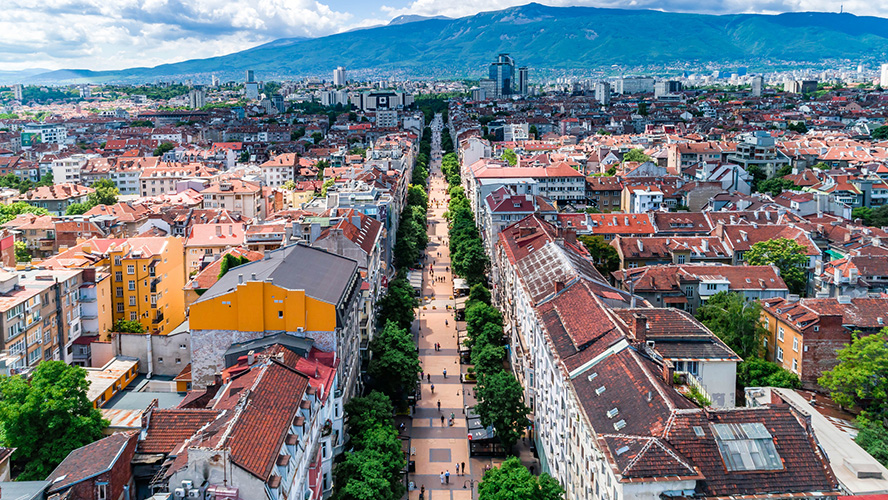
13. While building the Sofia Metro, workers discovered remarkably well-preserved ruins of the ancient Roman city of Serdica. The city integrated the ruins into the Serdica Metro Station, where you can see 4th-century Roman streets while waiting for your train.
14. In the very heart of Sofia, you will find a Square (often called the “Triangle of Tolerance”) where a Bulgarian Orthodox Church, a Mosque, and a Synagogue all stand within a few minutes’ walk of each other.
15. Unlike English or most other Slavic languages, Bulgarian has no infinitive verb forms. It is also the only Slavic language (besides Macedonian) that uses definite articles attached as a suffix to the end of words.
16. Bulgaria is currently facing one of the fastest population declines in the world. As of 2026, the population is estimated at roughly 6.6 million, down from nearly 9 million in the late 1980s.
17. Sofia is the third-highest capital in Europe. It sits at the foot of Vitosha Mountain, which is so close to the city center that locals can be on a ski slope in less than 20 minutes.
18. The national currency is the Bulgarian Lev. The word “Lev” is an archaic Bulgarian word for “Lion,” which has been a symbol of Bulgarian strength for centuries.
19. Bulgarian is so closely related to Macedonian that they are considered mutually intelligible. While it shares roots with Russian and Serbian, Bulgarian is unique for having lost the complex “case system.”
Well, there you have it, 19 interesting facts you might not have known about Bulgaria. If I’ve left out something important, feel free to comment below.
Watch this space for updates in the Facts category on Running Wolf’s Rant.
Like what you just read? Buy us a coffee to enable us to bring you more content like this.
You're also more than welcome to subscribe to our newsletter to stay in the loop.
Feel free to explore our website or check out our Featured Articles.
Looking for a gift for that special person in your life? Check out Netflorist.co.za, South Africa's top online florist and gift service. They offer flowers, gifts, and hampers for all occasions AND reliable nationwide delivery.
