
Most recreational athletes train on a mixture of habit, hope, and whatever the last article they read recommended. Sometimes it works. Often it produces the familiar cycle: enthusiastic weeks, accumulating fatigue, a niggle or a cold, a frustrated layoff, and a restart from scratch.
Sports science has known the cure for decades – measure the load, monitor the recovery, adjust accordingly – but the tools lived in laboratories.
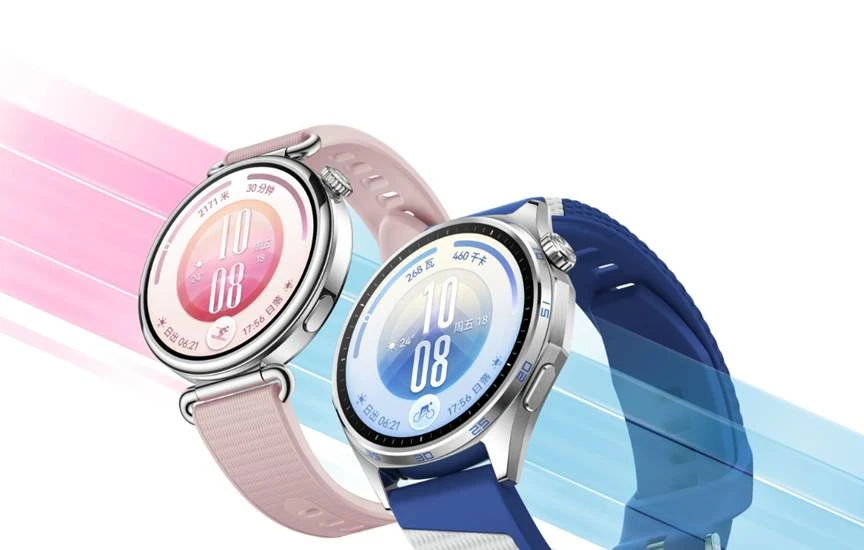
The GT 7 smartwatch is part of the generation finally delivering that methodology to the wrist, combining continuous physiological monitoring with a Physical Readiness Score and deep sport modes.
The result is not more data for its own sake. It is a daily decision-making system for people who train seriously alongside demanding lives.

The Readiness Revolution
The Physical Readiness Score is the centrepiece of the science-first approach. Each morning, the watch weighs the previous night’s sleep against recent training load and recovery indicators, then answers the question every training plan silently asks: is the body actually prepared for today’s session?
The implications ripple through an entire training life. Hard sessions scheduled on high-readiness days produce their intended adaptations.
Hard sessions forced onto low-readiness bodies – the traditional approach – produce fatigue, illness, and injury. Over months, the difference between these two patterns is the difference between athletes who improve steadily and athletes who plateau and break down.
Crucially, the score removes the emotional negotiation from training decisions. Motivation lies; fatigue disguises itself as laziness and vice versa. An objective number, grounded in the body’s own signals, cuts through both.
Measuring the Load Accurately
Readiness is only as good as the load data behind it, and that is where the sport modes matter. More than 110 workout modes ensure every session is captured in its own terms – but the flagship depth sits in the all-new cycling and skiing modes.
Cyclists get speed, distance, elevation, and heart rate zone tracking accurate enough for structured training; skiers get run-by-run descents, vertical drop, and speed through full mountain days.
Heart rate zone tracking underpins the load picture across every sport. Time in zone – not just time exercising – is what training load actually means, and accurate continuous heart rate makes that measurement trustworthy. Post-workout summaries translate each session into its training effect, while the companion app aggregates the long view: weekly load, fitness trends, and the trajectory of the whole season.
Runners, swimmers, golfers, and strength athletes find their own dedicated modes, each feeding the same central system. Mixed-sport training weeks – the reality for most active adults – finally add up to a single coherent number.
Recovery: Where Adaptation Actually Happens
Training provides the stimulus; recovery provides the improvement. The watch’s recovery monitoring starts with sleep – detailed stage-by-stage analysis that shows not just how long the night lasted but how well it worked. Deep sleep drives physical repair; REM supports the motor learning that technique work depends on. Seeing the breakdown changes behaviour faster than any lecture about bedtime.
Continuous heart rate, HRV, blood oxygen, and stress tracking complete the recovery picture through the day. Resting heart rate trends flag accumulating fatigue weeks before it becomes obvious; stress monitoring reveals when work pressure is silently consuming the same recovery budget that training draws on.
This total-load perspective – training plus life – is what separates modern sports science from the simple mileage-counting of previous decades. The body does not distinguish between a hard interval session and a brutal week at the office; the watch, finally, accounts for both.
The companion app extends this recovery intelligence into longer horizons, charting sleep quality, resting heart rate, and training load side by side across weeks and months. Patterns that no single morning could reveal become obvious at that scale – the slow creep of fatigue through a heavy block, the fitness dividend of a properly timed easier week – giving athletes the evidence to periodise their year rather than simply endure it.
The Huawei Watch GT 7 Smartwatch is built for the Consistency Science Demands
Data-driven training fails the moment the data stream breaks, which is why the hardware specifications matter to the methodology. Up to 21 days of battery life means the watch never sits on a charger when it should be measuring sleep. The stream stays unbroken; the readiness scores stay trustworthy; the trends stay real.
The EasyCross quick-release strap system supports the same goal from the comfort side – a breathable strap for training, a smarter one for the rest of the day, swapped in seconds without tools. A watch worn willingly around the clock is a watch that keeps learning.
For athletes ready to replace guesswork with evidence, the system is complete: readiness each morning, accurate load through every session, recovery monitored around the clock, and battery life that never interrupts the experiment. Specifications and current offers are available on the official product page. The science has left the lab; it now lives on the wrist.
Watch this space for updates in the Technology category on Running Wolf’s Rant.
Want to promote your business, event, product or service? We get more than 14,000 pageviews a month! Contact us for marketing and advertising options.