


South Africa’s tourism sector continues to surge, with record-breaking visitor numbers and strong growth carrying into 2026. After a challenging few years during the global pandemic, the country has firmly re-established itself as one of Africa’s most attractive travel destinations.

In 2025, South Africa welcomed an impressive 10.48 million international tourists, surpassing pre-pandemic levels and marking a 17.6% increase compared to 2024. The momentum has continued into 2026, with January arrivals growing by 11.8%, reinforcing the country’s global appeal.
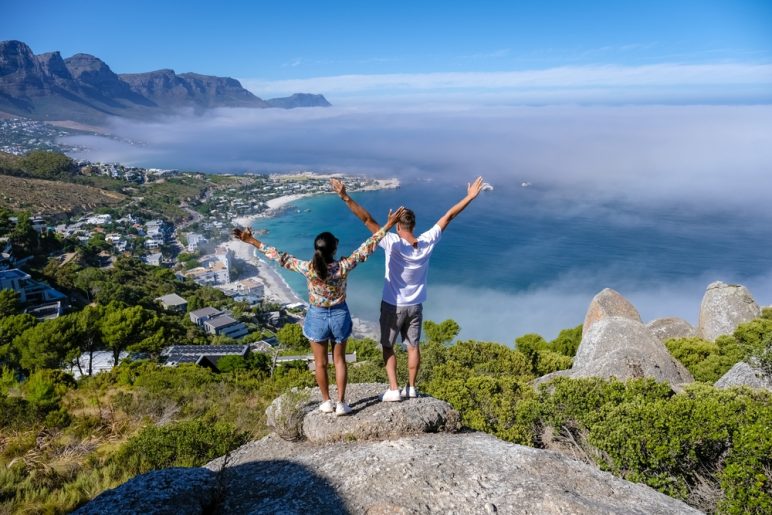
This rebound reflects a broader shift in international travel trends. Tourists are now planning trips further in advance and prioritising destinations that offer a mix of culture, nature and authentic experiences. South Africa has positioned itself perfectly within this evolving landscape.
A Key Driver of Economic Growth
Tourism plays a significant role in South Africa’s economy, contributing around 9% to GDP and supporting approximately 1.8 million jobs. The sector’s ability to generate employment is particularly notable, with one job created for every 13 international arrivals.
Looking ahead, projections from the World Travel & Tourism Council suggest tourism could contribute up to 10.3% of GDP in the coming years, with an additional 620,000 jobs created by 2034.
The financial impact is equally striking. In 2024 alone, tourism contributed roughly R241 billion to the economy, compared to a government budget allocation of about R2.6 billion for the Department of Tourism. This highlights the sector’s exceptional return on investment and its importance in driving economic expansion.
Changing Travel Behaviours
Modern travellers are approaching holidays differently. Booking patterns show that visitors are planning earlier, staying longer and spending more on experiences. Spending on extras such as dining, excursions and upgrades has increased significantly over the past year.
There is also a noticeable rise in tourists using structured savings or personal loans to fund long-haul trips, reflecting a shift toward more intentional and experience-driven travel.
Growth Across Local Industries
The tourism boom is having a ripple effect across multiple sectors. The hotel industry, in particular, is seeing rapid expansion, especially in the Western Cape. New developments, refurbishments and the entry of international brands are reshaping the hospitality landscape.
Retail and tourism-related services are also benefiting, with luxury shopping, fine dining and curated experiences becoming increasingly popular among high-spending visitors.
Diversifying Source Markets
While South Africa continues to attract a large number of visitors from neighbouring countries within the SADC region, long-haul international markets are playing a growing role.
Countries such as the United Kingdom, Germany and the United States remain key contributors, while emerging markets like Russia and Brazil are showing strong growth. In January 2026 alone, arrivals from Russia increased by 38.8%, with Brazilian visitors rising by 35.6%.
Overall, the top 10 source countries accounted for nearly 74% of all international arrivals, highlighting South Africa’s broad global reach.
Who Is Visiting South Africa?
Tourism data reveals a clear profile of the average visitor. Most travellers fall within the 35 to 44 age group, with a median age of around 48. Men make up 56.1% of visitors, while women account for 43.9%.
Leisure travel dominates, with nearly 98% of international visitors arriving for holidays, shopping or to visit friends and family. Business and other travel purposes make up only a small portion of arrivals.
In terms of entry points, long-haul travellers primarily arrive by air, often through major hubs like OR Tambo International Airport and Cape Town International Airport. Regional visitors, on the other hand, tend to enter via land border posts.
Must-Visit Destinations Driving Growth
Several iconic destinations continue to attract global attention. Cape Town remains a standout, offering a mix of natural beauty, vibrant culture and world-class cuisine. With Table Mountain as its backdrop, the city is consistently ranked among the top urban destinations in Africa.
Safari tourism is another major drawcard, with the Kruger National Park offering visitors the chance to experience the famous Big Five in their natural habitat.
The Cape Winelands, including towns like Stellenbosch and Franschhoek, continues to attract wine lovers and food enthusiasts with its scenic vineyards and premium hospitality offerings.
In addition, ecotourism activities such as hiking, marine wildlife experiences and conservation tourism are becoming increasingly popular among travellers seeking a deeper connection with nature.
A Positive Outlook for the Future
The outlook for South Africa’s tourism sector remains highly optimistic. Growth is expected to continue at around 5% in 2026, supported by improved air connectivity, increased global interest and ongoing investment in infrastructure.
With its diverse attractions, strong recovery trajectory and growing international appeal, South Africa is well positioned to remain one of Africa’s leading tourism destinations for years to come.
Watch this space for updates in the General News category on Running Wolf’s Rant.
Like what you just read? Buy us a coffee to enable us to bring you more content like this.
You're also more than welcome to subscribe to our newsletter to stay in the loop.
Feel free to explore our website or check out our Featured Articles.

Looking for a gift for that special person in your life? Check out Netflorist.co.za, South Africa's top online florist and gift service. They offer flowers, gifts, and hampers for all occasions AND reliable nationwide delivery.
