


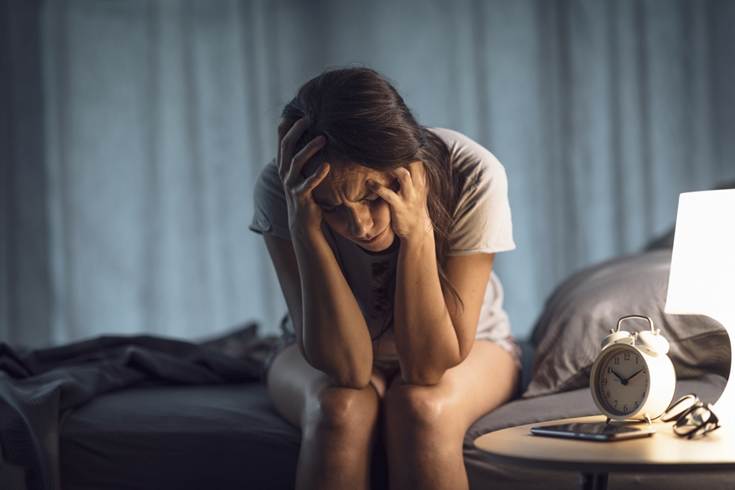
Your heart races. Your chest feels tight. Your stomach churns for no clear reason. Yet medical tests come back normal. For many South Africans, anxiety doesn’t stay in the mind, it shows up in the body through very real physical symptoms.

This mind-body connection, often referred to as psychosomatic symptoms, can include headaches, digestive issues, fatigue, and muscle tension. While they may not stem from a physical illness, their impact is anything but imaginary.
A growing public health concern
Anxiety is one of the most common mental health challenges globally, affecting millions of people. In South Africa, it’s particularly widespread, with studies showing that anxiety disorders affect a significant portion of the population.
One of the most recognised forms is Generalised Anxiety Disorder (GAD), which involves persistent and excessive worry over extended periods. It’s often accompanied by physical symptoms such as restlessness, poor sleep, and ongoing tension.
Factors like economic pressure, unemployment, trauma, and social challenges all contribute to rising anxiety levels, with women statistically more affected than men.
How anxiety shows up in your body
Anxiety triggers the body’s natural stress response. In short bursts, this “fight-or-flight” reaction can be helpful. But when it becomes constant, it starts to take a toll.
Common physical symptoms include:
- Muscle tension, trembling, and jaw clenching
- Headaches or migraines
- Digestive issues like nausea or stomach discomfort
- Fatigue and sleep disturbances
- Rapid heart rate, sweating, or shortness of breath
These reactions are not imagined. They are the body responding to prolonged stress signals.
Why treatment takes time
Managing anxiety often requires a combination of approaches, including therapy and medication. In many cases, doctors prescribe antidepressants such as SSRIs or SNRIs, which help regulate mood and stress-related brain chemistry.
The challenge is that these treatments don’t work overnight. It can take several weeks before patients feel noticeable relief, leaving many dealing with ongoing symptoms in the meantime.
In some cases, short-term treatments may be introduced to help manage more intense physical symptoms, although these can come with side effects like drowsiness or reduced alertness.
Practical ways to manage anxiety daily
While professional guidance is essential, there are also everyday strategies that can help reduce both emotional and physical symptoms:
- Stay active: Regular exercise helps lower stress hormones and boost mood
- Practice mindfulness: Breathing exercises can calm the nervous system
- Watch stimulants: Cutting back on caffeine and nicotine can reduce symptoms
- Prioritise sleep: Rest plays a critical role in emotional regulation
- Build routine and support: Structure and social connection improve resilience
- Seek professional help: Therapies like cognitive behavioural therapy remain highly effective
Breaking the stigma
Despite how common anxiety is, many people still don’t seek help. According to the World Health Organization, only a fraction of those affected receive proper treatment.
Stigma and lack of awareness continue to hold people back. But recognising that anxiety affects both mind and body is a crucial first step.
The more openly anxiety is discussed, the easier it becomes for people to seek support, manage symptoms, and regain control of their daily lives.
Watch this space for updates in the General News category on Running Wolf’s Rant.
Like what you just read? Buy us a coffee to enable us to bring you more content like this.
You're also more than welcome to subscribe to our newsletter to stay in the loop.
Feel free to explore our website or check out our Featured Articles.

Looking for a gift for that special person in your life? Check out Netflorist.co.za, South Africa's top online florist and gift service. They offer flowers, gifts, and hampers for all occasions AND reliable nationwide delivery.
