

Why does Psychological Safety matter at work? As South Africa observes Mental Health Awareness Month, businesses are urged to look beyond standard wellness programs and focus on a crucial, often invisible element of employee wellbeing: psychological safety.
Psychological safety is defined as a workplace environment where employees feel entirely comfortable speaking up, asking questions, admitting mistakes, and challenging ideas without the fear of embarrassment or negative repercussions.
Annemie Burger, HR Director at the brand and communications agency Penquin, highlights that fostering this type of environment significantly impacts not just employee wellbeing, but also overall collaboration, innovation, and business performance.
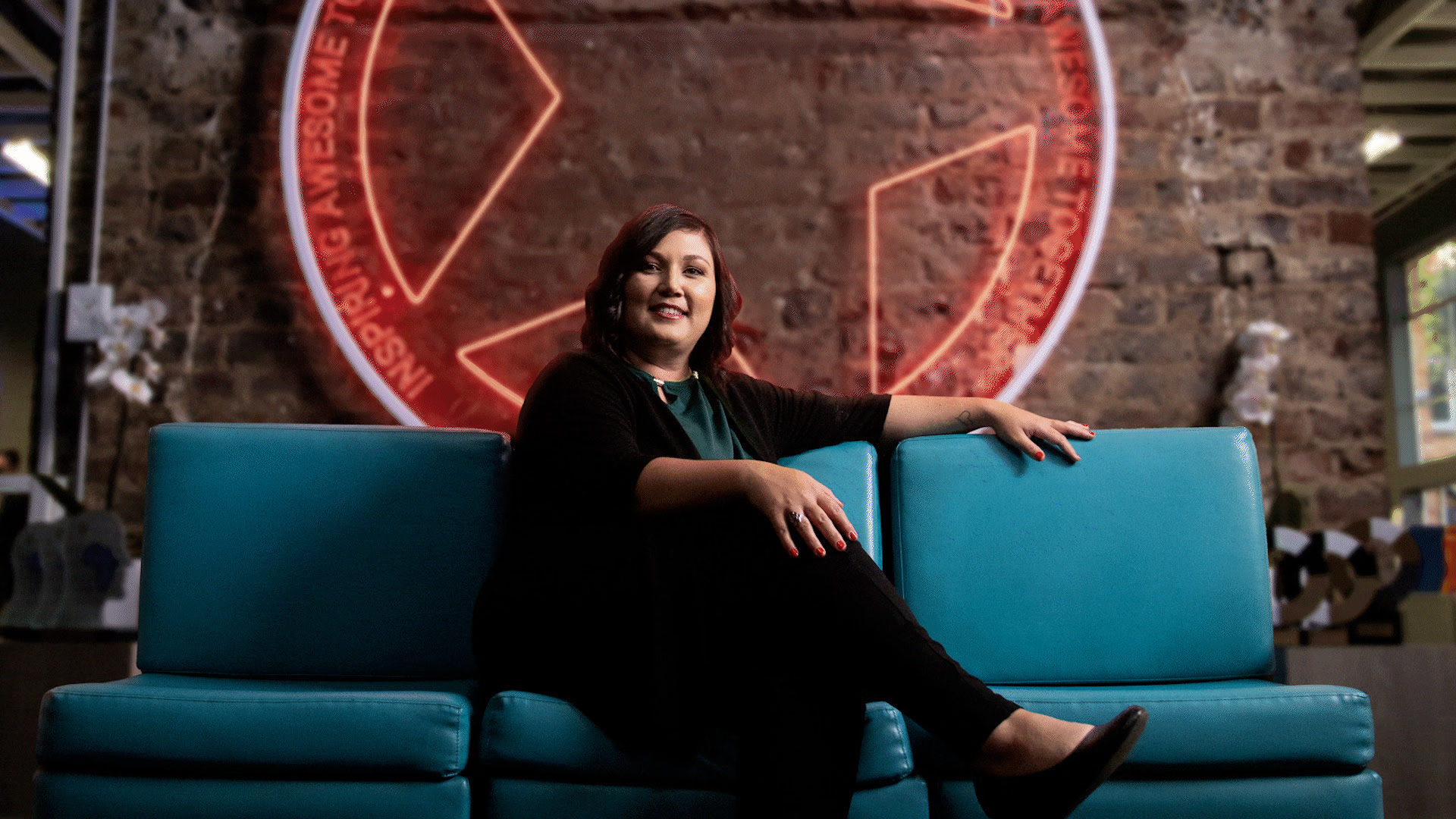
Burger points out that mental health in the workplace extends far beyond monitoring for stress or burnout. It relies heavily on whether individuals feel secure enough to be honest about their current state, ask for support, and voice their opinions without worrying about backlash.
This is especially vital in the creative and communications sectors, where successful output demands a willingness to question and explore uncharted ideas. The best creative work stems from people feeling comfortable enough to challenge the status quo, rather than simply agreeing with leadership.
The Role of Leadership when it comes to Psychological Safety at work
Cultivating psychological safety does not mean abandoning accountability or avoiding difficult discussions. Instead, it creates a framework where those conversations can happen constructively. Leadership plays a pivotal role in establishing this culture.
Employees carefully observe how managers respond to disagreements and errors. When a leader reacts defensively, teams learn to suppress their insights. Conversely, leaders who openly admit when they are wrong send a powerful, positive message.
The same logic applies to handling mistakes. A workplace paralyzed by the fear of punishment encourages employees to hide problems.
If the immediate reaction to an error focuses on learning and prevention rather than assigning blame, teams are far more likely to develop rapid, effective solutions. Furthermore, a psychologically safe space normalizes asking for help before challenges escalate, dismantling the harmful stigma that seeking support is a sign of weakness.
Driving Business Performance
While often linked strictly to employee wellbeing, psychological safety directly drives broader organizational performance.
Teams that welcome diverse perspectives make better decisions, spot potential issues earlier, and challenge flawed assumptions. For creative businesses, it provides the necessary foundation for ambitious, out-of-the-box thinking.
Innovation is impossible in an environment where failure is heavily penalized. Creativity requires experimentation, and if a company culture punishes every unsuccessful idea, employees will eventually only present the safest, most predictable options.

For Penquin, the ultimate goal is to build a workplace where high performance and employee wellbeing coexist harmoniously.
As Mental Health Awareness Month continues to highlight the need for healthier work environments, businesses must evaluate more than just their wellness policies.
The true measure of a supportive workplace is whether employees genuinely feel safe enough to utilize those initiatives and speak up when they are struggling.
Watch this space for updates in the Opinion category on Running Wolf’s Rant.
Want to promote your business, event, product or service? We get more than 14,000 pageviews a month! Contact us for marketing and advertising options.