

In South Africa, talent is everywhere, but education access remains unequal. Ambition is everywhere. There are people in cities, towns and rural communities who want to learn more, do more and create new opportunities for themselves and their families. But access to education is not equally within reach.
For one South African, deciding to study may begin with a simple question: What do I want to study? For another, the questions come much earlier. Can I afford it? Is there somewhere for me to study? Can I access it from where I live? Can I keep working while I learn? Can I study around raising a family? Do I have the technology I need? Did I leave it too late to go back to studying?
If South Africa wants education to be genuinely accessible, these questions matter. Because real access is not simply about whether education exists. It is whether people can realistically reach it, afford it, participate in it and complete it.

Access to education in South Africa is about more than university admission
For generations, the traditional route after matric has been presented as relatively straightforward: finish school, enter university or college, study full-time and then begin a career.
For many people, that route works. But it cannot be the only picture of what education looks like in South Africa.
Demand for post-school education remains significant. For the 2026 academic year, government projected approximately 235,000 first-year spaces at public universities and acknowledged that this would not be enough to accommodate every qualifying applicant.
That reality reinforces the importance of having multiple credible pathways into further learning.
University education matters. So do TVET colleges, Community Education and Training colleges, private higher education institutions, workplace learning, skills programmes and other forms of further education.
There is no single route that will suit every South African. And there should not need to be.
Education needs to fit more than one kind of student
The idea of a “student” also needs to become broader:
- A student may be 18 and deciding what comes after matric
- But a student can also be 27 and trying to move into a different career.
- They can be 36, working full-time and studying after their children have gone to bed.
- They can be an administrator who wants to understand Human Resources.
- A supervisor who wants stronger management skills.
- A small business owner who wants to improve their financial knowledge.
- Or someone who could not study when they were younger and is finally in a position to do so.
Education should not have an expiry date. For learning to become more accessible to all South Africans, institutions need to consider the lives people are actually living. That includes work, children, household responsibilities, geography, finances and time.
This is one reason flexible and distance-learning models have become an important part of the South African education landscape. Institutions such as iQ Academy, for example, offer a range of online courses and study options designed to allow students to study without travelling to a physical campus every day.
Flexibility does not remove every barrier to education, but it can remove a significant one: the expectation that learning must happen in one physical place at one fixed stage of life.
Where you live should not determine how far you can learn
Geography has historically played a major role in access to education. South Africa covers a vast area, and access to major universities, colleges and training centres is not evenly distributed.
For someone living close to a large campus, physical attendance may be practical. For someone hundreds of kilometres away, studying can also mean finding accommodation, relocating, travelling regularly or leaving an existing support network behind.
Online education creates another possibility. But even then, accessibility cannot simply mean placing learning material on a website.

According to Statistics South Africa’s 2025 General Household Survey, 85.6% of South African households had access to the internet in some form, while only 20.6% had fixed internet access at home. Mobile devices remained one of the most important ways South Africans connected to the internet.
The full findings are available through Statistics South Africa’s General Household Survey 2025. That distinction matters.
An online learning model designed around fibre internet, desktop computers and being connected for hours at a time may technically be online without being particularly accessible.
Accessible online education needs to consider:
- Mobile devices
- Data requirements
- Downloadable learning materials
- Flexible study times
- The ability to learn without remaining constantly connected
- The realities of South African households
Technology can widen access, but only when education is designed around the people using it.
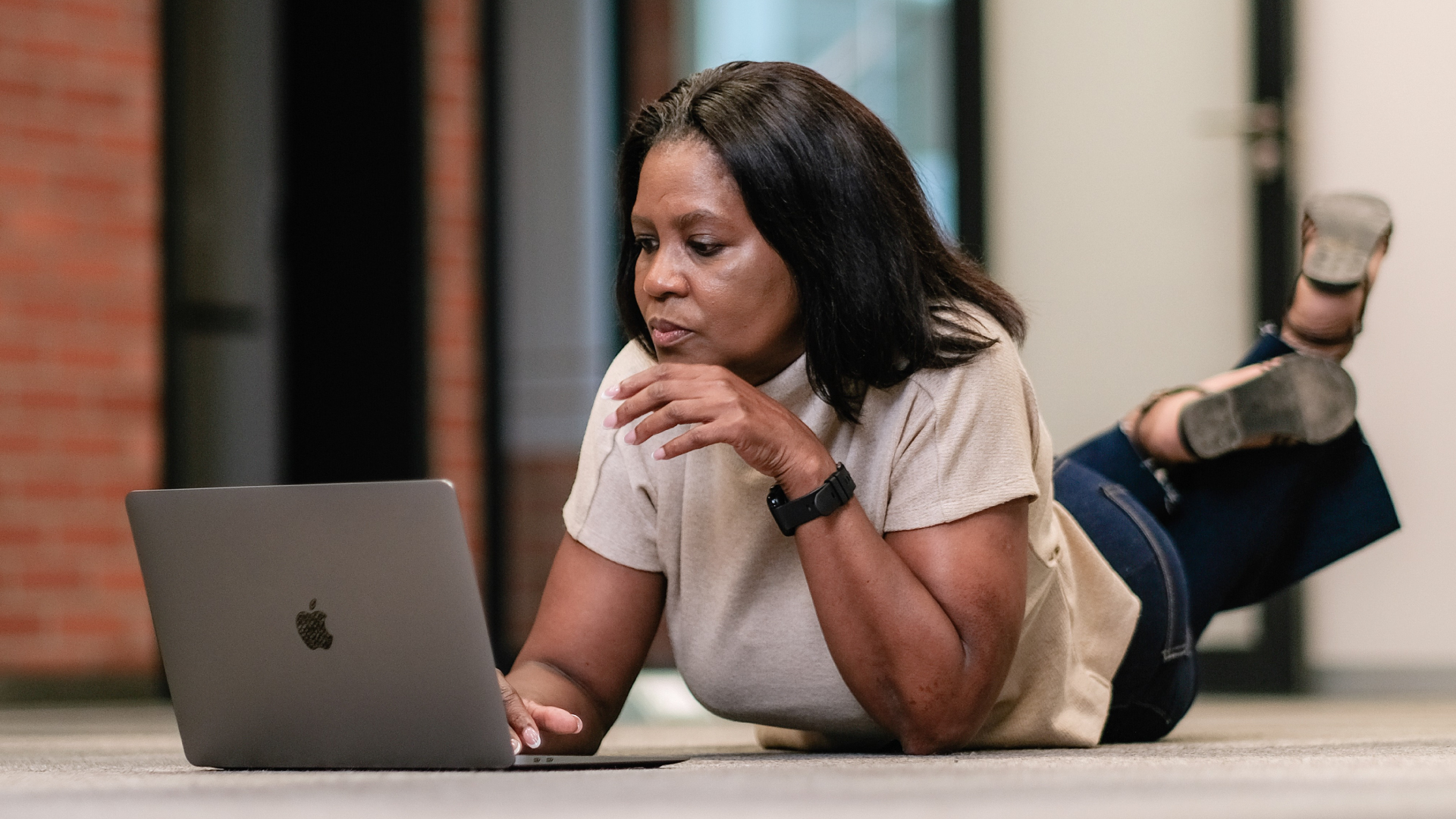
Affordability is part of accessibility
There is another barrier that cannot be separated from the conversation: cost.
A programme may be geographically accessible and academically suitable but still remain completely out of reach financially.
And the real cost of studying is often bigger than tuition alone.
Depending on how and where someone studies, they may need to account for:
- Registration fees
- Textbooks and learning materials
- Transport
- Accommodation
- Data
- Technology
- Interest on education finance
- Time away from paid work
For a household already balancing food, housing, transport and other essential expenses, a large upfront education cost can end the conversation before it starts.
Making education more accessible therefore also means finding different ways for people to pay.
Monthly payment options, lower upfront costs and online study models can all help reduce some of the financial barriers associated with continuing education.
This is particularly important for working adults who may be paying for their education themselves rather than relying on family support or traditional student funding.
Affordability should never mean reducing the importance of quality or credible learning.
It should mean finding better ways to put learning within reach.
Accessible education should offer different kinds of learning
Making education accessible also means recognising that people study for different reasons. Not everybody needs the same type of programme. Someone may need a formal qualification.
Another person may want focused skills they can apply in their current role. Someone else may want to understand a field before deciding whether to pursue it further. This is where clear distinctions between study options matter.
For example, formal Higher Certificates provide one route for students wanting a recognised qualification. iQ Academy’s NQF Level 5 Higher Certificate qualifications include programmes in areas such as Business Management, Human Resources Management, Local Governance and Public Administration and Management.
Short Courses serve a different purpose. They can provide industry endorsed learning for people who want to develop practical knowledge or skills, reviewed by industry experts, without committing to a longer formal qualification.
Neither route needs to be positioned as the answer for everybody. Accessible education gives people meaningful options and enough information to choose the route that fits their goal.
Access means little without the opportunity to succeed
Getting someone enrolled is not the end of the accessibility conversation. What happens afterwards matters just as much.
A person may gain access to education and still struggle to complete it if the learning model does not provide sufficient structure, academic support or flexibility.
South Africa’s Department of Higher Education and Training has previously described this challenge as the need for “access with success”: recognising that increasing enrolment numbers means little if students cannot progress through and complete their studies.
That shifts the question from: How many people can we enrol? to How many people can we realistically help succeed?
Students need to understand what is expected of them. They need learning materials they can access. They need support when they struggle. They need systems that are practical to use.
And for many working adults, they need enough flexibility to keep studying when life does not follow a perfect timetable. Access gets someone through the door. The learning experience determines whether they have a reasonable opportunity to keep going.
Education can be accessible without pretending that education solves everything
There is also a responsibility to be realistic about what education can and cannot do. South Africa faces significant challenges around unemployment, inequality and economic opportunity.
No responsible education institution should promise that completing a course or qualification automatically guarantees employment, a promotion or a particular salary. Education cannot solve every structural challenge facing the country.
But it can give people something valuable:
- Knowledge
- Skills
- Confidence
- A recognised qualification where applicable
- A foundation for further learning
- And the ability to make more informed choices about what comes next.
Making education more accessible is therefore not about promising every learner the same outcome. It is about ensuring that more people have a fair opportunity to learn in the first place.
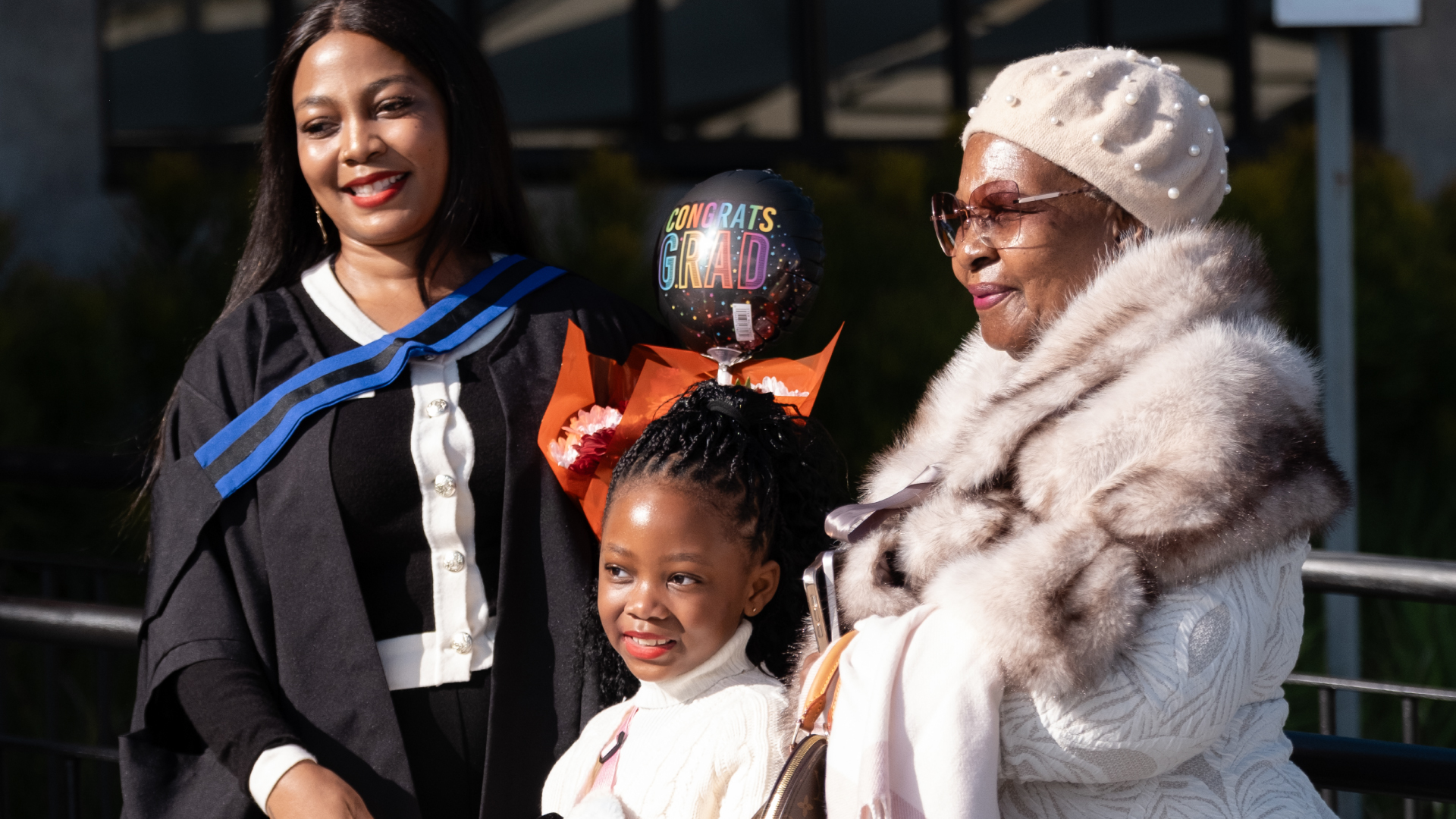
Making education accessible means making room for all South Africans
South Africa does not have one kind of student. So it cannot rely on only one model of education:
- There needs to be room for the school leaver deciding what comes next.
- The employee studying after work.
- The parent learning between family responsibilities.
- The person living far from a major city.
- The professional adding a new skill.
- The adult returning to education after ten or twenty years.
- The student pursuing a formal qualification.
- And the person who has spent years believing that further education simply was not meant for them.
Being young should not be a requirement for learning. Living near a university should not be a requirement for learning. Having the freedom to stop working should not be a requirement for learning. And coming from a household with significant disposable income should not be what determines whether someone gets the opportunity to develop themselves further.
There is still a long way to go before every barrier to education in South Africa is removed. But every time education becomes more flexible, more affordable, more practical and easier to reach, that gap becomes a little smaller.
Because opportunity should not be reserved for the South Africans whose lives happen to fit the traditional model of education. It should be within reach for all South Africans.
And that is the mission that institutions like iQ Academy are trying to achieve.
Watch this space for updates in the General News category on Running Wolf’s Rant.
Want to promote your business, event, product or service? We get more than 14,000 pageviews a month! Contact us for marketing and advertising options.