

Want to protect your belongings during a military move? Keep on reading. It’s a fact that PCS orders have a way of flipping daily life upside down fast. One minute you’re thinking about dinner, and the next you’re juggling kids, pets, paperwork, housing questions, and the fragile stuff you really do not want broken.
That’s why it helps to protect valuables during military move planning early, not the night before pack-out.
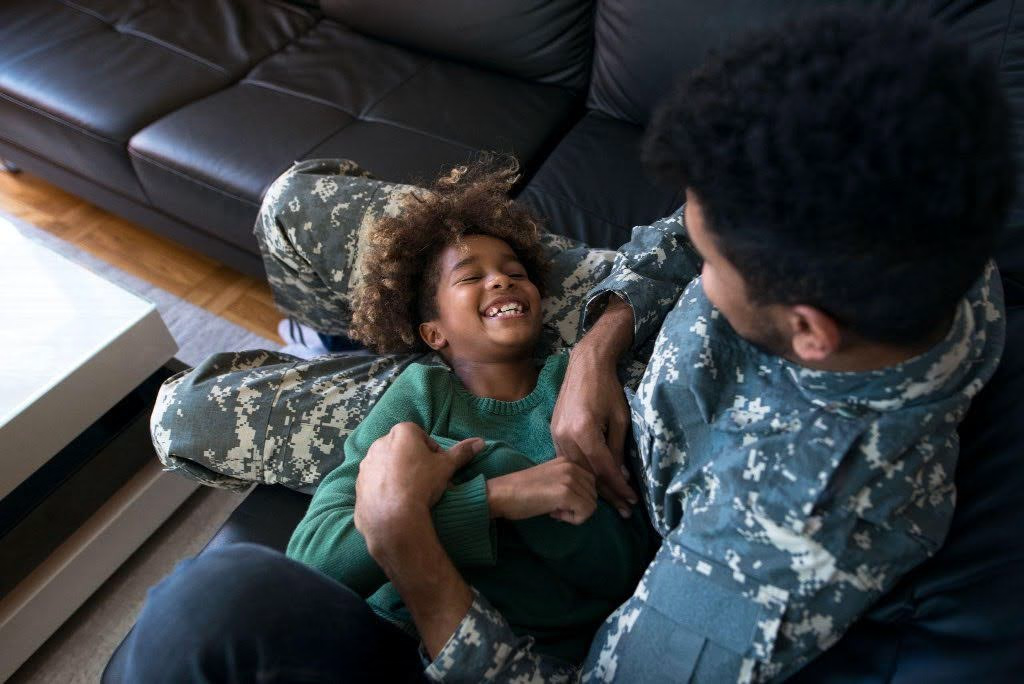
A simple checklist to secure belongings and PCS move details can save you from rushed decisions. And the concern is real: a 2023 survey found most respondents, 56.0%, reported loss or damage during their most recent move. In other words, prepare before the tape starts flying.
Essential Steps Before Packing Day
The safest move usually starts before anyone touches a box. These first steps give you records, reduce confusion, and help you stay steady when your living room turns into cardboard city.
Create an Inventory That Can Back You Up
A few quick photos on your phone are better than nothing, but they are not enough. For practical military moving tips, create a digital inventory that includes photos, short videos, serial numbers, receipts, appraisals, and estimated replacement values.
Keep a printed version in your personal travel folder too. Phones get lost. Batteries die. Wi-Fi picks the worst possible time to quit. Sometimes paper really does save the day.
Schedule a Pre-Move Valuables Audit
Go room by room and flag anything expensive, fragile, sentimental, regulated, or difficult to replace. Think jewelry, watches, laptops, gaming consoles, coins, documents, art, heirlooms, and military gear.
If you want extra help, many families use resources like military moving services to compare moving coordinators, review carrier backgrounds, and check prior PCS experience before choosing a provider. Ask direct questions. How are claims handled? What base access is required? What packing standards do they follow? Is shipment tracking available?
Before the boxes come out, decide what stays with you.
Packing, Labeling, and Tracking Valuables
Once you know what matters most, packing gets easier. You do not need fancy supplies for everything. You need smart protection, clear records, and fewer mystery boxes later.
Pick Materials That Actually Protect
Use double-wall boxes for fragile valuables, anti-static sleeves for electronics, padded dividers for glass, and small lockable cases for compact items. A note titled safeguarding items military relocation can keep your photos, receipts, and packing notes together.
Avoid writing “jewelry,” “laptop,” or “collectibles” on the outside of a box. That is basically free advertising. Use neutral codes only your household understands.

Use a Simple Comparison Table
| Item Type | Better Packing Choice | What to Avoid |
| Jewelry | Hand-carry case | Large mixed cartons |
| Electronics | Anti-static wrap and original boxes | Loose cords and open bins |
| Heirlooms | Cushioning plus climate-safe container | Newspaper against delicate finishes |
| Documents | Fire-resistant folder carried with you | Checked luggage or moving truck |
| Collectibles | Photo log and fitted inserts | Overstuffed boxes |
This is straightforward military move packing advice, but it works. The idea is simple: keep valuables visible to you and boring to everyone else.
Add Tracking Without Making it Complicated
GPS tags, QR-code labels, and app-based inventories can help you confirm what went where. In December 2025, 48% of fleet professionals said their fleet was looking to adopt asset tracking systems. PCS families can use the same basic logic. Visibility lowers panic.
Take a quick video of each open box before sealing it. Yes, it feels tedious. Future you may want to send past you a thank-you note.
Next, think about what happens once everything leaves your driveway.
Move-Out, Transit, and Storage Security
Move-out day can feel chaotic. People are walking in and out, paperwork is moving around, and you’re answering questions every few minutes. A little structure helps you catch problems before the truck rolls away.
Keep Chain of Custody Clear
Be present during packing and loading if you can. Review item numbers, condition notes, and high-value lists before you sign anything.
Keep passports, birth certificates, orders, medical records, jewelry, small electronics, and irreplaceable keepsakes with you. No moving carton should contain your family’s only copy of a critical document. That is a headache nobody needs.
Use Storage With Care
If storage is part of your PCS, ask about climate control, cameras, restricted access, and pest control. Do not assume “temporary” means “safe enough.”
For longer gaps, clean and dry items before storage. Moisture, batteries left inside devices, and weak wrapping can cause quiet damage over weeks or months.
When the shipment arrives, resist the urge to start decorating right away.
Arrival Checks and Claims
The first few hours after delivery matter. Damage is much easier to prove while boxes, seals, and packing materials are still right in front of you.
Inspect High-Value Items First
Open valuables, electronics, fragile items, and priority boxes before everyday household goods. Photograph damage from several angles and keep the packing materials.
Compare what arrived against your inventory. If a box is missing or a seal looks wrong, note it before signing final paperwork. It may feel awkward, but this is your proof.
File Claims With Clean Proof
Claims are easier when your documentation is organized. Keep photos, videos, receipts, inventory sheets, repair estimates, and delivery notes in one folder.
If something is damaged, report it within the required timeline. Be calm and specific. “Cracked screen, left corner, photo attached” works better than a long, frustrated explanation.
Some belongings need special planning from the very beginning.
Special Items, Sensitive Gear, and Digital Security
Not every valuable belongs in a standard moving box. Some items need legal care, climate control, or digital protection.
Protect Heirlooms and Regulated Items
Sentimental items cannot truly be replaced, even if a claim pays out. Hand-carry medals, letters, rare photos, inherited jewelry, and small keepsakes whenever possible.
For firearms, follow military rules, state laws, and carrier requirements. Confirm unloaded status, approved cases, paperwork, and receiving steps before move day.
Secure Digital Valuables
Back up computers and phones before packing anything. Use strong passwords, device tracking, encrypted drives, and cloud copies for important files.
Do not toss password notebooks, hard drives, or work-sensitive material into a random carton. Digital property is still property. Treat it that way.
One more layer is easy to overlook: the people around you.
Overlooked Security Moves for PCs Families
Security is not only about locks and boxes. It is also about timing, neighbors, base contacts, and small habits that stop problems from growing.
Ask Your Community for Watchful Eyes
Tell a trusted neighbor, sponsor, or family readiness contact when movers are coming. If you are split between locations, ask someone dependable to check the property.
That is not paranoia. It is backup. And during a PCS, backup is a beautiful thing.
Try Portable Home Security
Temporary cameras, door sensors, and rental-friendly alarms can help during pack-out, cleaning days, and empty-house gaps. Choose tools that do not require drilling or long contracts.
This is where secure belongings PCS move planning goes beyond the truck. Sometimes the riskiest moments happen before pickup or after delivery.
Now, let’s cover the questions that tend to pop up at the worst possible time.
Final Thoughts on Safer PCS Moves
Valuables survive PCS moves when security becomes a routine, not a last-minute scramble. Start with photos, serial numbers, and hand-carry decisions. Then add sturdy packing, neutral labels, tracking, and careful arrival checks.
Use your transportation office, read coverage terms, and ask movers direct questions before loading day. If orders are already on your calendar, build the checklist now. The safest PCS move is usually the one that looks almost boring because every important item already has a plan.
Common Questions About PCS Moving and Valuables
Do You Tip Movers for a Military Move?
Tipping is not required, but it is common when the crew works carefully, communicates well, and respects your home. Many families offer cash, cold drinks, snacks, or lunch. Do not feel pressured to tip for careless handling or rude service.
How Much Do You Get Paid for a PPM Move?
PPM payment depends on authorized weight, mileage, location, and your actual expenses. You are usually reimbursed up to the government’s estimated cost for moving your goods, minus deductions. Keep every receipt and weight ticket.
What Should Never Go on the Moving Truck?
Hand-carry IDs, orders, passports, birth certificates, medical records, jewelry, small heirlooms, backup drives, prescription medicine, financial papers, and essential pet records. If losing it would cause a crisis, keep it with you.
Watch this space for updates in the Hacks category on Running Wolf’s Rant.
Get new articles straight to your inbox.
Want to promote your business, event, product or service? We get more than 14,000 pageviews a month! Contact us for marketing and advertising options.